

We commonly find ourselves with small pockets of free time, and these times are now ideal for a bit of entertainment https://turbomines.net. Think about playing a game like Turbo Mines while your car goes through a wash in the UK. It’s an fascinating pairing: outside, your vehicle undergoes cleaning and sprayed, while inside, you’re interacting with a screen and making quick strategic choices. This article explores how the Turbo Mines game functions, why it’s such a good fit for a five-minute wait, and where it stands in the wider world of spending time on the go. We’ll discover how these games captivate you without needing your full concentration, which makes them ideal for tasks that sit in the background. The carwash is a perfect example—a routine few minutes where viewing a movie is impractical, but a mental distraction does the trick.
Understanding the Turbo Mines Game Systems
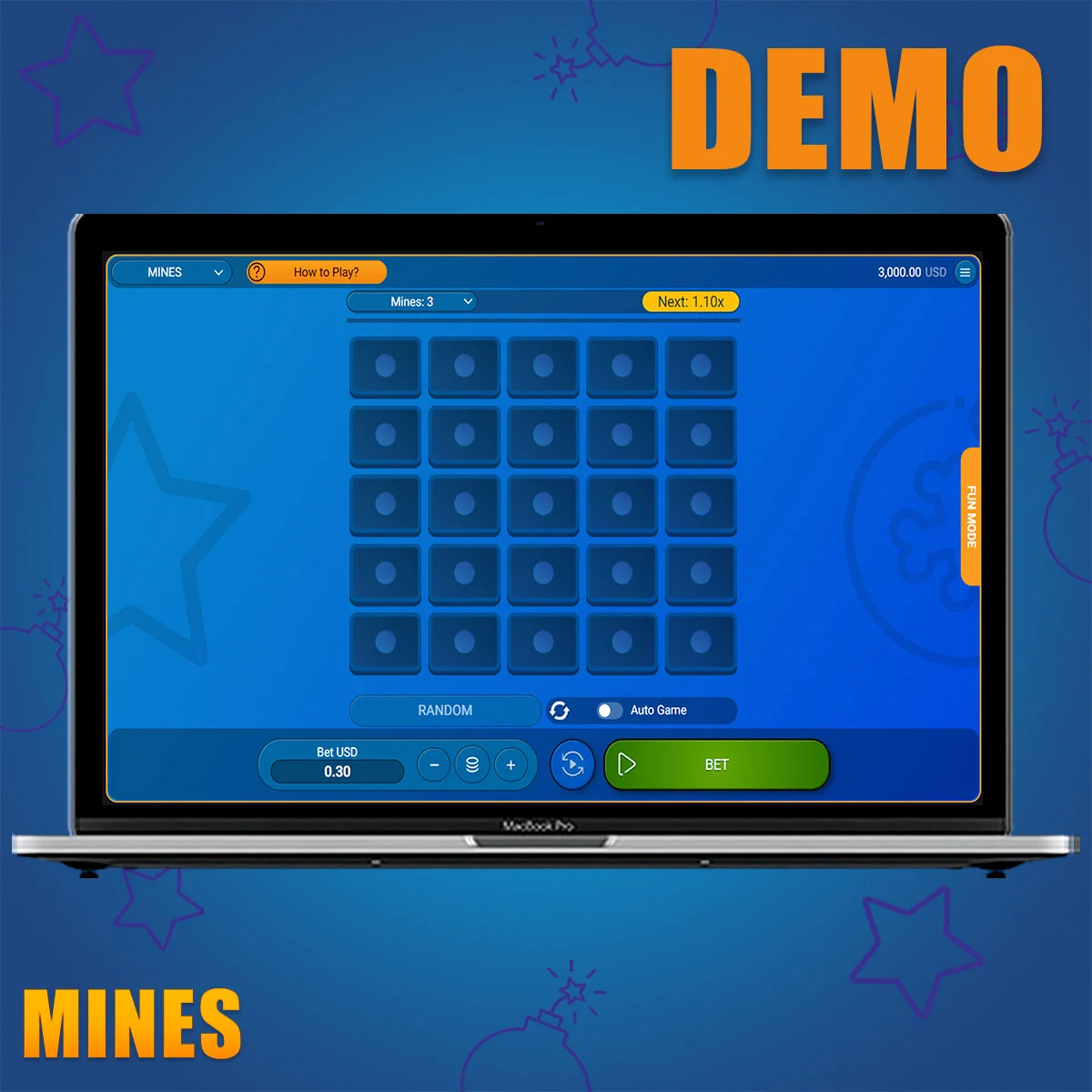
To grasp why it works as a waiting game, you must to know what Turbo Mines actually is. It’s a current take on the old minesweeper concept, presented with today’s game economy elements. You see a grid, containing mines and possible rewards underneath. Your role is to tap tiles one by one, collecting virtual rewards or multipliers while steering clear of the mines. Every safe click increases your potential payout, but the risk rises each time. The crucial move is the “cash out” option—you have to opt to bank your winnings before a mine inevitably finishes your round. This creates a intense, exciting loop of risk against reward that plays out in seconds. The interface is usually straightforward and basic, made for quick reading, which is important when your attention is split.
Central Gameplay Loop and Risk Management
The mental hold of Turbo Mines comes from its simple loop. You commence with a small bet, the tension builds as you progress, and then you face a voluntary option: take a small win or gamble for a bigger one. This tiny story of greed versus caution suits neatly into a carwash timeline. You do not need a manual; the rules feel instinctive. That simplicity is everything for casual play. You manage risk not with some grand plan, but with a gut sense about the next click, a mental activity that’s captivating but never too much. The feedback is instant—you see your multiplier grow or the mine explode—giving you a clean end and the chance to try again within a single wash cycle.
Design and Visual Factors for On-the-Go Play
From a design viewpoint, Turbo Mines is designed for the situation we’re discussing. Its creators focused on what counts for on-the-go, broken play. The user interface features high-contrast colors and oversized buttons that are easy to tap, accounting for dim lighting and the minor shake of a traveling car. Game state is usually saved in the app, so an surprise disruption (like the wash ending) doesn’t spoil your advancement in a broader sense. The game’s mechanics, which frequently uses in-game coins or gems, is designed for quick sessions. Regular bonuses or quick recharge mechanisms motivate you to revisit without requiring for hours of play. This design approach recognizes how people use phones today: games are played in the intermediate moments of life. The carwash is a classic example of such a time, and the game’s architecture is designed to fit it.
Screen Legibility and Game Length
One key technical aspect is immediate clarity. When a player glances at their phone between suds and rollers, they have to grasp the game state in a glance. Turbo Mines achieves this with a minimalist design: a distinct grid, a prominent multiplier display, and clear “Cash Out” and “Bet” buttons. The team also organically regulate session length. While you might play forever, the format of each round (a single increasing gamble) creates logical stopping points every 30 to 60 seconds. This aligns with the segmented nature of a carwash activity, where your attention moves between the game and the action outside. The design considers the user’s context, never demanding for sustained focus for long stretches.
Carwash as the Perfect Mini Entertainment Location
The current carwash, especially the automated tunnel systems prevalent in the UK, sets up a unique spot for this sort of entertainment. You’re sitting in the driver’s seat, the car is in motion, but you have minimal interaction with the operation. It’s noisy and visually intense with brushes and foam, yet your own role is totally passive. This mismatch between all the activity outside and your own passivity is where mobile gaming slips in. Your phone turns into a window to a separate, regulated reality. Unlike endeavoring to watch a video or read an article, which can be broken by the spectacle of the wash, a game like Turbo Mines needs just enough attention to keep your focus but allows you look up easily. It converts the car into a momentary entertainment booth, rendering the whole service seem faster and more agreeable.
Contrasting Turbo Mines to Other Wait-Time Activities
To understand its attraction, stack Turbo Mines against alternative things users engage in during a car wash. A lot of may check social media, scroll through articles, and send a few texts. But, these represent largely inactive viewing and basic messaging. Turbo Mines presents an organized interaction with clear goals and finishes. It differs from an intricate mobile game that needs continuous focus and recall; there’s no extended narrative or ranking system to follow. Relative to just staring at the wash brushes, it gives you a specific cognitive task. Several key distinctions make it especially suited for this unique setting:
- Immediate Engagement: No long load times or configuration; you can launch a game in just seconds.
- Short Sessions: Every round is standalone, ranging from a few seconds up to a minute, which matches the fragmented attention you possess.
- No Sound Requirement: You can enjoy it perfectly well with sound off, which is crucial in a noisy carwash.
- Low Mental Effort: It requires strategic thinking instead of complex strategy, permitting easy stops and starts.
- Emotional Reward: The rapid cycle of risk and reward provides brief bursts of exhilaration or anxiety, effectively countering boredom.
The Science Behind Short-Duration Gaming
So why does a game like Turbo Mines slot so well into a brief carwash visit? It leverages two things: our brain’s aversion to empty time and its attraction to unpredictable rewards. A carwash is a structured pause. You have nothing to do but wait, which can get boring fast. Turbo Mines fills that mental gap with a series of micro-decisions and results. It uses a “variable ratio reinforcement schedule,” the same principle that powers slot machines and social media scrolling. Rewards come at random intervals, making the activity oddly addictive. On top of that, the game gives you a feeling of control during a passive experience. Physically, you’re being pulled through a tunnel, but mentally, you’re calling the shots. This split can make the wait feel useful, or at least more fun, instead of just dead time.
The Larger Pattern of Situational Gaming
Matching Turbo Mines with a carwash wait isn’t a one-off. It’s part of a larger movement we can call “contextual gaming.” This means games that are either created for, or happen to suit, certain real-world scenarios: the regular trip, standing in a queue, anticipating a meeting, or passing time during a service like a carwash. These games share common features. They’re upright-oriented for one-handed play, have straightforward mechanics, and provide gratification in brief intervals. They view time not as something to dedicate for a future gain, but as brief windows to fill with instant, lightweight engagement. In this view, the carwash is just another “situation” ready for gamification. As modern living becomes more fragmented and services more automated, these in-between moments will multiply. The desire for precise, situational entertainment like Turbo Mines will almost certainly increase with them.
Common Questions
What is the Turbo Mines game?
Turbo Mines constitutes a rapid digital game founded on the classic minesweeper concept. Players select a grid to uncover hidden multipliers while steering clear of mines. The key strategic option is when to “cash out” and secure your winnings before you trigger a mine. It’s made for quick, engaging rounds that last from a few seconds to a couple of minutes, which makes it perfect for short breaks or passing time.
Is Turbo Mines good for beginners?
Yes, completely. The game’s mechanics are easy to grasp, with no complex tutorials required. The risk-reward dynamic feels instinctive: click to win more, but stop before you hit a mine. This low barrier to entry is a significant part of why it functions for casual gaming in settings like a carwash, where you want to jump straight in without mastering the rules first.
Why would someone play a game during a carwash?
A carwash offers a limited, predictable period where you’re just waiting. Playing a game like Turbo Mines fills that time with an engaging mental activity to fight boredom. It gives you a sense of control and decision-making during an otherwise automatic routine, making the wait feel faster and more entertaining than just watching the wash happen.
Does playing Turbo Mines demand an internet connection at the carwash?
That depends on the specific platform you’re playing on. Many instant-play versions in web browsers do need a stable connection to function. It’s a smart idea to ensure you have mobile data coverage or, if present, use the carwash facility’s Wi-Fi to sidestep any annoying interruptions mid-game.
In what way does Turbo Mines stack up to traditional mobile puzzle games?
Unlike puzzle games that could involve complex problem-solving or a story, Turbo Mines centers on immediate risk assessment and quick decision loops. There aren’t any levels to complete or long-term strategies. It’s all about the tension of the very next click, which fits the split attention you have in a busy environment.
Is there any strategies for being successful at Turbo Mines?
While it’s fundamentally a game of chance, a common method is to set a personal multiplier target for cashing out before you start a round and following it, resisting the urge for “one more click.” Managing your virtual bankroll and avoiding chasing losses are also sensible behavioral tactics for maintaining it enjoyable, rather than expecting predictable wins.
Is this type of gaming a beneficial use of waiting time?

From a fun standpoint, sure. It transforms idle time into an active mental exercise. But as with any game, moderation matters. It’s a positive diversion if it makes the wait better without causing frustration. Whether it’s suitable for you is personal, but its design for short sessions is well suited with filling small gaps in your day.

Leave A Comment